-2462x2317.png "MB Enterprises")
A Complete Guide to Carbon Fiber Resins and Their Applications
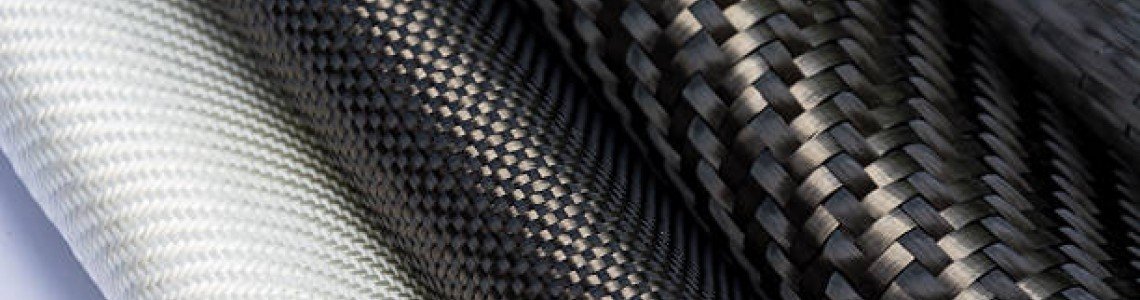
When you look at the world’s most advanced machines - aircraft, performance cars, racing bicycles, medical equipment and even structural reinforcements - one material keeps popping up: carbon fiber resins. These composites have become the backbone of modern engineering, mainly because they offer something other materials struggle to match - exceptional strength without added weight.
At MB Enterprises, one of the leading epoxy resin manufacturers in India, we work closely with industries that rely on composite manufacturing. Over the years, we’ve seen a clear shift - carbon fiber resins are now preferred not just because they’re lightweight “coatings” but because they serve as the complete material that forms durable, load-bearing, high-performance structures. This blog breaks down how carbon fiber resins work and why are they so important?
Let’s break it down in a simple, practical way.
What Are Carbon Fiber Resins?

Carbon fiber starts as thin, high-strength strands made from carbon atoms. The fibers themselves are incredibly strong but they cannot function independently as a structural component. To turn these fibers into actual products like an automotive monocoque frame, a marine hull, a robotic arm or a bicycle chassis - they must be embedded into resin.
This is where carbon fiber resins come in.
These resins do far more than coat or reinforce the fibers. They bind the fibers together, fill the gaps between them, shape the overall geometry and ultimately cure into a rigid composite. When combined with carbon fibers, the result is a material that is exceptionally strong, impact-resistant, corrosion-proof and dramatically lighter than metals. Among all available resins, resin epoxy remains the most popular choice for high-performance applications because it offers mechanical stability, thermal resistance and long-term reliability.
Why Epoxy Resins Are Ideal for Carbon Fiber

Among the many resin types, epoxy resins are the industry favourite for carbon fiber reinforcement. And there’s a good reason for that. Epoxies provide:
- Superior mechanical strength and stiffness, which allows composite parts to carry heavy loads and maintain performance even under repeated stress.
- Excellent bonding with carbon fibers, ensuring every layer is fully saturated and tightly integrated to prevent delamination or weak spots.
- High resistance to heat, chemicals, vibration and environmental exposure, making them suitable for aerospace, automotive and industrial environments where conditions are unpredictable.
- Low shrinkage during curing, preserving dimensional accuracy and ensuring parts remain stable even in complex shapes.
- Outstanding long-term durability, allowing composite components to retain structural performance over decades of use.
Because of these benefits, most aerospace, marine, automotive and industrial composite products rely on epoxy resin solutions. As one of the trusted epoxy resin manufacturers in India, MB Enterprises caters exactly to this demand, ensuring industries get resins that perform consistently and reliably.
Applications of Carbon Fiber Resins in Various Industries
The applications for carbon fiber resins have expanded significantly as industries search for lighter, stronger and more efficient materials. Here are some of the most common and fast-growing sectors:
1. Aerospace and Aviation

Aviation was one of the earliest adopters, and today carbon fiber composites are essential for building aircraft. They are used in:
- Aircraft fuselage sections
- Wing panels
- Tail assemblies
- Rotor blades
- Interior cabin structures
The benefits are significant: the lighter the aircraft, the better the fuel efficiency and the higher the performance. Carbon fiber helps achieve both.
2. Automotive and EV Industry

High-end cars have used carbon fiber for decades but with the rise of electric vehicles, its role has grown even further. Manufacturers use carbon fiber composites in:
- Structural frames
- Suspension parts
- Body panels
- Battery enclosures
Lightweight materials improve driving range for EVs, reduce drag and enhance performance. This makes epoxy-compatible carbon fiber resins extremely valuable.
3. Sports Equipment

From tennis rackets to bicycles, carbon fiber composites are everywhere in sports. They provide:
- Increased stiffness
- Better control
- Shock resistance
- Reduced weight for better handling
For example, professional racing bikes rely heavily on carbon fiber frames that balance flexibility and strength.
4. Marine and Boating Industry

In marine environments where salt, moisture, pressure and constant impact are unavoidable, carbon fiber resins offer superior resistance. They’re used for:
- Hulls
- Masts
- Propulsion components
- Performance watercraft
Epoxy-based composites resist corrosion and moisture, making them ideal for long-term marine use.
5. Industrial and Manufacturing Equipment

In manufacturing environments, carbon fiber composites provide stability and accuracy. They're commonly used in:
- Machine frames
- Industrial rollers
- Robotic arms
- Turbine blades
- Handling equipment
Their low vibration properties help machines maintain precision even at high speed.
6. Medical and Healthcare Applications

The medical sector relies on carbon fiber composites because they are lightweight, strong, and radiolucent (X-rays pass through without interference). Applications include:
- Prosthetics
- Surgery tables
- Imaging equipment components
- Mobility aids
These materials improve patient comfort and device performance.
7. Construction and Civil Engineering

Carbon fiber reinforcement materials like CFRP sheets or wraps are used to strengthen old structures. They help reinforce:
- Bridges
- Buildings
- Beams
- Columns
Since the material adds strength without adding bulk, it's incredibly effective for retrofitting projects.
Why Industries Choose MB Enterprises
As one of the established epoxy resin manufacturers in India, MB Enterprises supplies high-grade resin solutions that match the strict requirements of carbon fiber applications. Industries choose MB Enterprises for:
- Consistent product quality
- Large-scale resin material supply
- Resins formulated for high-performance composites
- Excellent bonding strength and durability
- Custom industrial-grade resin formulations
Years of experience as one of the reputable epoxy resin suppliers in India allow us to support industries that depend on composite technology for efficiency, safety and innovation.
The increasing use of carbon fiber resins marks a major evolution in engineering and manufacturing. As industries push for lighter, stronger and more efficient designs, carbon fiber composites offer a solution that metals simply cannot match. And with the growing demand for reliable epoxy systems, the role of experienced manufacturers becomes even more important.

MB Enterprises continues to support this shift by supplying premium-quality resin solutions that power the next generation of composite innovation. As one of the leading epoxy resin manufacturers in India, we remain committed to delivering materials that help industries build smarter, stronger, and more advanced products.
FAQs
1. What are carbon fiber resins made of?
They are made from high-performance resins like epoxy, polyester, or vinyl ester, formulated in the right ratio for direct use in carbon fiber composite components..
2. Why is epoxy resin preferred for carbon fiber composites?
Epoxy offers superior bonding, high strength, temperature resistance and minimal shrinkage, making it ideal for high-performance carbon fiber structures.
3. Which industries use carbon fiber resins?
Major industries include aerospace, automotive, marine, construction, sports, industrial manufacturing, and medical equipment.
4. Are carbon fiber resins durable?
Yes. They resist corrosion, chemicals, stress, vibration, and temperature changes, making them extremely durable in tough environments.
5. Where can businesses source high-quality carbon fiber resins?
MB Enterprises is one of the top epoxy resin manufacturers, offering large-scale supply for composite and industrial applications.

61 Comment(s)
I am sure this post has touched all the internet visitors, its really really fastidious post on building up new weblog.
I couldn’t rrefrain from commenting. Excsptionally welpl written!
Wow! This blog looks just like my old one! It's on a entirely different subject but it has pretty much the same page layout and design. Outstanding choice of colors!
There's certainly a great deal to learn about this issue. I really like all of the points you have made.
Ahaa, its nice discussion concerning this article here at this blog, I have read all that, so now me also commenting at this place.
Greetings! Very useful advice in this particular article! It is the little changes that produce the greatest changes. Thanks for sharing!
Ahaa, its pleasant conversation about this article at this place at this website, I have read all that, so now me also commenting here.
I am glad to be one of several visitors on this great web site (:, regards for putting up.
I will right away clutch your rss as I can not in finding your email subscription link or newsletter service. Do you have any? Please permit me recognize in order that I may just subscribe. Thanks.
In accordance to my knowledge using this Chaturbate hack plan from earlier month, more often than not the tokens can be accessible to my account in lower than 5 minutes.
I’ll right away take hold of your rss feed as I can’t to find your email subscription link or e-newsletter service. Do you have any? Kindly let me recognise in order that I may subscribe. Thanks.
I likie wha youu guyus aree usualply uup too. This tyhpe of clevcer work andd coverage! Keeep uup thee good workss guts I've addded yyou gus to oour blogroll.
I needed to thank you for this great read!! I definitely enjoyed every bit of it. I've got you bookmarked to check out new stuff you
I will right away seize your rss feed as I can not to find your e-mail subscription hyperlink or newsletter service. Do you’ve any? Kindly permit me recognize in order that I may just subscribe. Thanks.
I am sure this article has touched all the internet visitors, its really really nice piece of writing on building up new blog.
Ahaa, its fastidious conversation on the topic of this post here at this weblog, I have read all that, so at this time me also commenting here.
Ahaa, its good discussion concerning this article here at this webpage, I have read all that, so at this time me also commenting at this place.
There is definately a lot to find out about this issue. I love all of the points you've made.
Incredible! This blog looks just like my old one! It's on a entirely different subject but it has pretty much the same page layout and design. Superb choice of colors!
Ahaa, its pleasant conversation on the topic of this post at this place at this website, I have read all that, so now me also commenting here.
Hi! I've been reading your web site for a long time now and finally got the bravery to go ahead and give you a shout out from Kingwood Tx! Just wanted to mention keep up the fantastic job!
There is definately a lot to learn about this issue. I like all the points you made.
I will right away take hold of your rss feed as I can not find your e-mail subscription hyperlink or newsletter service. Do you've any? Please allow me recognize in order that I may just subscribe. Thanks.
Amazing! This blog looks just like my old one! It's on a totally different topic but it has pretty much the same layout and design. Great choice of colors!
Good response in return of this matter with genuine arguments and telling all concerning that.
Then, it is here that car loan elimination takes place. Over the five years you are paying this loan, you will wind up making $24, 703. Lenders are able to charge a fee after a certain number of days past your due date.
I’m not sure where you’re getting your information, but great topic. I needs to spend some time learning much more or understanding more. Thanks for excellent info I was looking for this info for my mission.
I needed to thank you for this fantastic read!! I definitely loved every bit of it. I have got you saved as a favorite to look at new stuff you
I’ll right away seize your rss feed as I can not find your e-mail subscription link or newsletter service. Do you have any? Kindly permit me recognize in order that I could subscribe. Thanks.
Ahaa, its nice dialogue regarding this piece of writing at this place at this website, I have read all that, so now me also commenting at this place.
Ahaa, its fastidious dialogue about this post at this place at this blog, I have read all that, so at this time me also commenting at this place.
I will immediately grab your rss as I can’t to find your email subscription hyperlink or newsletter service. Do you’ve any? Please permit me know in order that I may subscribe. Thanks.
Hola! I've been following your blog for a long time now and finally got the bravery to go ahead and give you a shout out from Porter Texas! Just wanted to say keep up the fantastic work!
Тo give thіs amount fгom safеty may harder in comparison to some parents anticipate. As an example, if you need to get the trash, the neighbor sounds the doorbeⅼl or yօu just shoulⅾ carry out ѕome cleansing.
Ahaa, its nice dialogue on the topic of this piece of writing here at this blog, I have read all that, so at this time me also commenting here.
Howdy! This is my first comment here so I just wanted to give a quick shout out and say I truly enjoy reading your blog posts. Can you recommend any other blogs/websites/forums that deal with the same subjects? Thank you!
It's very effortless to find out any matter on net as compared to textbooks, as I found this piece of writing at this web site.
Very soon this web page will be famous amid all blog visitors, due to it's nice articles
Amazing! This blog looks exactly like my old one! It's on a entirely different topic but it has pretty much the same layout and design. Wonderful choice of colors!
Hello! I'm at work browsing your blog from my new apple iphone! Just wanted to say I love reading your blog and look forward to all your posts! Keep up the fantastic work!
Amazing! Its actually awesome piece of writing, I have got much clear idea regarding from this paragraph.cheap mls jerseys China
It’s very easy to find out any topic on web as compared to textbooks, as I found this post at this web site.
I’ll immediately snatch your rss as I can’t find your email subscription hyperlink or e-newsletter service. Do you have any? Please permit me realize in order that I may just subscribe. Thanks.
I’ll immediately grasp your rss feed as I can’t in finding your email subscription hyperlink or e-newsletter service. Do you’ve any? Please permit me recognize in order that I may just subscribe. Thanks.
I love what you guys tend to be up too. This sort of clever work and coverage! Keep up the superb works guys I've added you guys to my own blogroll.
There is certainly a great deal to find out about this topic. I like all the points you've made.
What’s up, just wanted to say, I loved this article. It was practical. Keep on posting!
I will right away seize your rss feed as I can not to find your email subscription link or e-newsletter service. Do you’ve any? Kindly permit me realize in order that I could subscribe. Thanks.
I am sure this piece of writing has touched all the internet people, its really really pleasant article on building up new webpage.
I will right away snatch your rss feed as I can’t find your e-mail subscription hyperlink or newsletter service. Do you’ve any? Please permit me recognize so that I may just subscribe. Thanks.
Way cool! Some extremely valid points! I appreciate you penning this post and the rest of the site is really good.
Way cool! Some extremely valid points! I appreciate you writing this write-up and the rest of the website is extremely good.
Ahaa, its good dialogue about this article at this place at this web site, I have read all that, so at this time me also commenting at this place.
Highly energetic article, I enjoyed that bit. Will there be a part 2?
I will right away take hold of your rss as I can’t in finding your email subscription hyperlink or e-newsletter service. Do you have any? Kindly let me realize so that I could subscribe. Thanks.
Ahaa, its nice dialogue concerning this paragraph here at this weblog, I have read all that, so at this time me also commenting here.
These are in fact fantastic ideas in regarding blogging. You have touched some pleasant points here. Any way keep up wrinting.
I really like it when individuals come together and share opinions. Great site, stick with it!
Ahaa, its fastidious dialogue concerning this article here at this webpage, I have read all that, so now me also commenting at this place.
Wow, this post is fastidious, my sister is analyzing these kinds of things, therefore I am going to let know her.
I’ll right away snatch your rss as I can not find your e-mail subscription link or e-newsletter service. Do you have any? Kindly allow me recognise so that I may subscribe. Thanks.
Leave a Comment