
Epoxy for Leak and Crack Repair After the Monsoon: Where It Works and Where It Doesn't
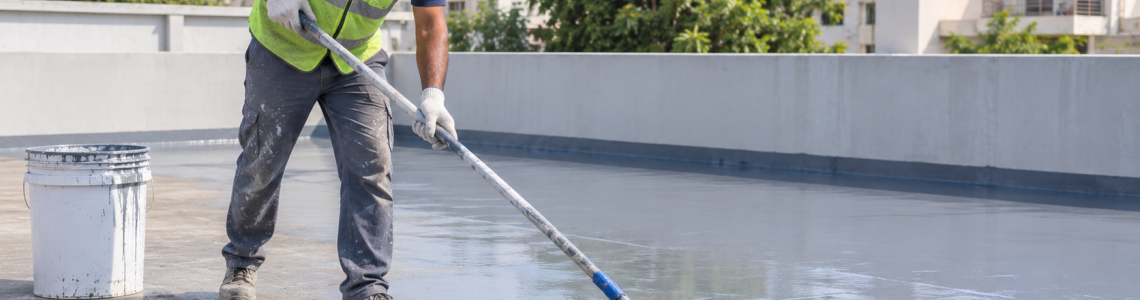
The rain has stopped, the stains are visible, and the repair list has started. Using epoxy for leak and crack repair is a sensible choice in many cases, but only when the cause of the leak is understood first. Epoxy is strong and bonds well, yet it is rigid and it does not like sunlight or running water. This guide covers where epoxy for leak and crack repair works, where it does not, and what to check before you buy.
Find the Cause Before Choosing Epoxy for Leak and Crack Repair

A crack is a symptom. Water got in somewhere, and the type of crack decides the repair:
Shrinkage crack: thin, usually stable.
Structural crack: from settlement, overload or poor design.
Movement crack: opens and closes with heat and cold.
Plumbing leak: at a pipe, joint or drain.
Seepage: from damp walls, a blocked drain or a failed roof layer.
Mark the ends of the crack with a pencil and a date. Check again after two to three weeks. If the crack has grown, a rigid repair alone will fail again.
Where Epoxy for Leak and Crack Repair Works Well

Used on the right job, epoxy for leak and crack repair gives a bond that is often stronger than the surrounding concrete. It works best on:
Non-moving cracks in beams, slabs and columns, applied by low-pressure injection.
Chipped or spalled concrete edges, repaired with epoxy mortar.
Cracks in stone, marble and granite.
Loose tiles and fixtures that need a hard bond.
Water tanks, sumps and basement floors that need a sealed surface.
In these cases, epoxy resin for waterproofing works because it forms a dense, hard layer that water cannot pass through, provided the surface is dry, clean and sound when applied.
Where Epoxy for Leak and Crack Repair Does Not Work
Being honest about epoxy for leak and crack repair saves you a second repair.
Moving cracks. Epoxy is rigid. A crack that keeps opening will tear the repair. Use a flexible polyurethane sealant or PU injection instead.
Exposed roofs. Epoxy is not UV-stable. In direct sun it chalks and yellows. A roof that gets full sun needs a UV-resistant topcoat over the epoxy, or a different flexible roofing membrane altogether.
Active water flow. Standard epoxy will not cure properly in running water. Stop the flow first with PU grout injection, then decide if epoxy is still needed.
Rising damp. Sealing the wall face can trap moisture and push salts and paint off the surface. Fix the source of moisture first.
Wet or cold weather. Cure slows down or fails if the surface is damp or very cold.
Using Epoxy Resin for Walls

Epoxy resin for walls is most useful for stable cracks in masonry and plaster, where it fills the gap and bonds the two sides. It is also used as a bonding coat before repair mortar goes on. For wall leaks from the outside, repair the crack, then add a proper external waterproof coat. Epoxy alone is rarely the final layer outdoors, so treat epoxy for leak and crack repair on walls as the first step, not the last.
Water Resistant Epoxy: What the Term Really Means
A water resistant epoxy coating blocks water only when it is applied at the right thickness on a primed, dry surface. A thin brush coat over a damp wall will blister. Check the data sheet for recommended thickness, pot life and cure time, and follow them. Pinholes are the usual weak points, so a second coat helps. Treat epoxy for leak and crack repair as one step in a full waterproofing plan, not the whole plan.
Marble Crack Repair Epoxy

For stone floors and counters, marble crack repair epoxy is a clear or tinted, low-shrinkage grade made for stone. A simple method:
Clean the crack with a brush and solvent, then let it dry fully.
Mix the resin and hardener in the exact ratio.
Add stone dust or pigment if you need to match the colour.
Fill the crack slightly above the surface.
After curing, grind and polish flush.
Test colour on a hidden spot first. Standard epoxy can yellow in sunlight, so for outdoor stone choose a UV-stable grade.
Basic Steps for Using Epoxy for Leak and Crack Repair on Concrete
Clean dust and loose material from the crack.
Fix injection ports along the crack and seal the surface in between.
Inject low-viscosity epoxy from the lowest port upward.
Let it cure fully, then remove ports and finish the surface.
Diagnostic Checklist Before You Order Epoxy for Leak and Crack Repair
Is the crack still moving? Check over two to three weeks.
Is the surface dry, or is water still coming through?
Is the area indoors, or in direct sun and rain?
Is it structural (beam, column, slab) or cosmetic (plaster, tile, stone)?
How wide and deep is the crack?
What is the temperature at the time of application?
If you cannot answer two or three of these, get the site checked before buying material for epoxy for leak and crack repair. A wrong product costs more than a visit.
Get the Right Epoxy for Leak and Crack Repair

If you are unsure which product suits your leak, send a clear photo of the crack and the surrounding area on WhatsApp, along with the location (roof, wall, floor, tank). MB Enterprises is one of the top and trusted epoxy flooring manufacturers and our team will tell you whether epoxy for leak and crack repair fits the job or whether another material is better.
FAQs
1. Can epoxy for leak and crack repair stop a roof leak?
It can seal a stable crack, but epoxy breaks down in direct sunlight. Exposed roofs need a UV-resistant topcoat or a flexible waterproofing layer over the repair.
2. Is epoxy for leak and crack repair suitable for moving cracks?
No. Epoxy is rigid and will crack again. Use a flexible PU sealant for cracks that open and close.
3. Can I use epoxy for leak and crack repair on a damp wall?
Standard grades need a dry surface. Special damp-tolerant epoxies exist, but fix the moisture source first.
4. How long does epoxy for leak and crack repair take to cure?
Light use is often possible after 24 hours, and full strength takes around 5 to 7 days, depending on temperature and product.
5. Which epoxy is best for marble cracks?
A low-shrinkage, stone-grade resin in clear or matching colour. Test on a hidden area first.
6. Is epoxy resin for waterproofing the same as a waterproof coating?
Not always. Epoxy works well for tanks and floors, but outdoor surfaces usually need a UV-stable or flexible coat on top.

Leave a Comment